

September 5, 2026
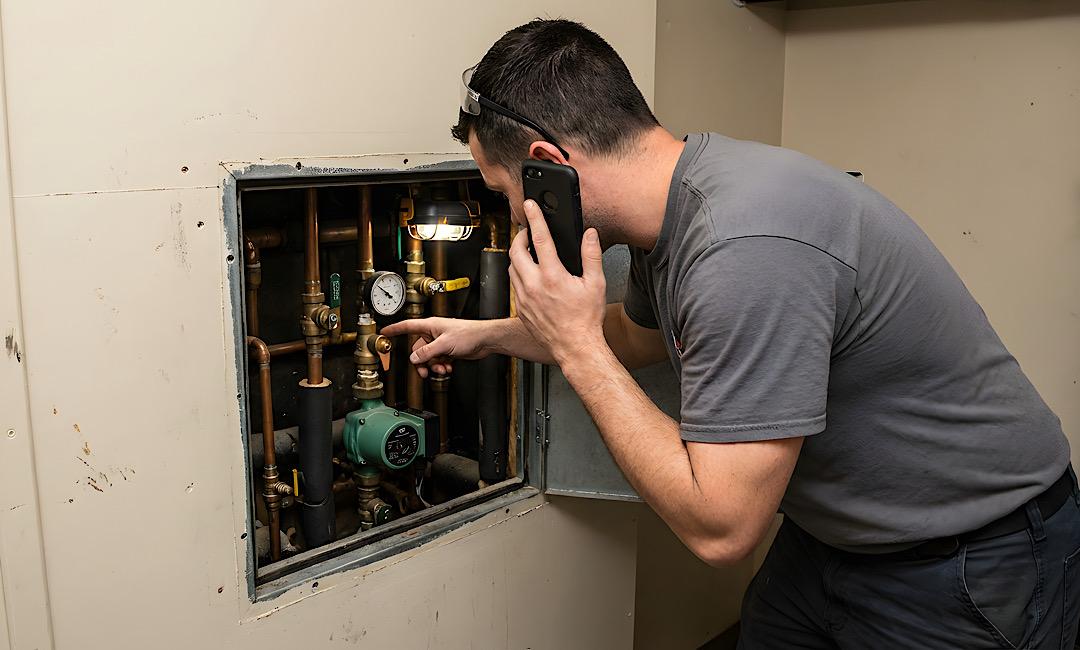
Protect comfort, efficiency, and safety before Colorado’s next temperature swing A heating system inspection is more than a quick look at your furnace. In...
As the colder months settle into the Pikes Peak region, your furnace becomes the heart of your home, providing essential warmth and comfort. However, a malfunctioning furnace can pose a serious, invisible risk: carbon monoxide (CO) exposure. This odorless, colorless gas is a silent threat that every homeowner in Colorado needs to understand. At Absolute Comfort, we’ve been ensuring the safety of local families since 1988, and this guide will walk you through everything you need to know about furnace safety and carbon monoxide prevention.
Carbon monoxide is a byproduct of incomplete combustion, meaning it’s produced whenever fuel like natural gas, propane, or oil is burned. Your furnace is designed to safely contain and vent these gases, including CO, outside your home. The danger arises when a furnace component fails, a vent becomes blocked, or the system isn’t operating correctly. This can allow CO to seep into your living spaces, where it can be incredibly dangerous when inhaled.
When you breathe in carbon monoxide, it displaces oxygen in your blood, depriving your heart, brain, and other vital organs of the oxygen they need to function. Because you can’t see, smell, or taste it, a leak can go undetected until physical symptoms begin to appear, which can often be too late.
One of the most deceptive aspects of CO poisoning is that its early symptoms mimic those of the common flu. This is particularly dangerous during the winter when colds and flu are prevalent. It’s crucial to know the difference and be vigilant.
An important clue is if multiple people in the household (including pets) suddenly feel unwell, or if your symptoms seem to improve when you leave the house and return when you come back. If you suspect a CO leak, evacuate your home immediately and call 911 from a safe location.
Prevention is the single most effective strategy for protecting your family from carbon monoxide. Here are the essential steps every Colorado Springs homeowner should take.
This is the most critical step. A qualified HVAC technician can identify potential hazards before they become serious threats. During a professional tune-up, a technician will inspect the heat exchanger for cracks, check for proper combustion, ensure the flue and ventilation systems are clear, and test for CO levels. Regular heating maintenance not only ensures safety but also improves your furnace’s efficiency and longevity.
Every home must have working carbon monoxide detectors. Colorado law requires CO alarms to be installed within 15 feet of the entrance to each bedroom or in any room with a fuel-burning appliance. For best protection, place them on every level of your home. Test your detectors monthly and replace the batteries every six months. Most detectors need to be replaced entirely every 5-7 years, so check the manufacturer’s date on the back.
Ensure that all furnace, dryer, and fireplace vents are clear of obstructions like snow, ice, leaves, or animal nests. A blocked vent can cause exhaust gases, including CO, to back up into your home. This is especially important in Colorado after heavy snowfalls.
Never operate portable generators, charcoal grills, or camping stoves inside your home, garage, or any enclosed space. These devices produce large amounts of CO and are for outdoor use only.
Here in Colorado Springs, our long and often intense winters mean our furnaces work hard for months on end. This extended use increases wear and tear, making annual inspections even more vital. The high altitude can also affect the combustion process in older or improperly calibrated furnaces, potentially leading to higher CO production.
As a local heating and cooling company that has served this community for over three decades, Absolute Comfort understands the unique challenges our climate presents. Our technicians are trained to service all types of heating systems, from modern high-efficiency furnaces to older boilers. Whether you need a routine check-up, an emergency heating repair, or advice on a new system, we have the local expertise to keep your home safe and warm.
Your family’s safety is too important to leave to chance. A comprehensive furnace inspection from Absolute Comfort is the best way to ensure your heating system is running safely and efficiently this winter. Schedule your appointment today for peace of mind.
Immediately evacuate everyone from the house. Do not open windows or try to find the source of the leak. Call 911 or the fire department from a safe location outside your home. Do not re-enter until emergency responders have declared it safe.
We strongly recommend a professional inspection and tune-up for your furnace once a year, ideally in the fall before you begin using it regularly. This preventative maintenance is key to catching issues early. For more common questions, check out our general FAQ page.
While it is much less likely, any fuel-burning appliance can potentially leak CO if it’s installed incorrectly or if its ventilation becomes blocked. Professional heating installation is crucial to ensure all connections are secure and the system is venting properly from day one.
A healthy furnace flame should be steady and blue. A flickering, yellow, or orange flame can be a sign of incomplete combustion, which means it could be producing carbon monoxide. This is a clear indicator that you need immediate furnace services.
Heat Exchanger: A component within your furnace that transfers heat from the combustion process to the air that circulates through your home. A crack in the heat exchanger is a primary cause of CO leaks.
Combustion Process: The process of burning fuel (like natural gas) with oxygen to produce heat. A proper process produces minimal byproducts, while an improper one can create dangerous levels of carbon monoxide.
Flue/Ventilation System: The series of pipes and vents that safely carry exhaust gases, including CO, from your furnace out of your home.
PPM (Parts Per Million): The unit of measurement used to determine the concentration of a gas in the air. Even low concentrations of CO, measured in PPM, can be dangerous over time.
Protect comfort, efficiency, and safety before Colorado’s next temperature swing A heating system inspection is more than a quick look at your furnace. In...
A smart checklist for Pikes Peak homes where cooling costs jump fast If your electric bill spikes when the AC runs, it usually isn’t...

Fast, calm troubleshooting for hot nights, warm airflow, and sudden AC shutdowns When your air conditioner fails after hours, it’s not just uncomfortable—Colorado Springs...