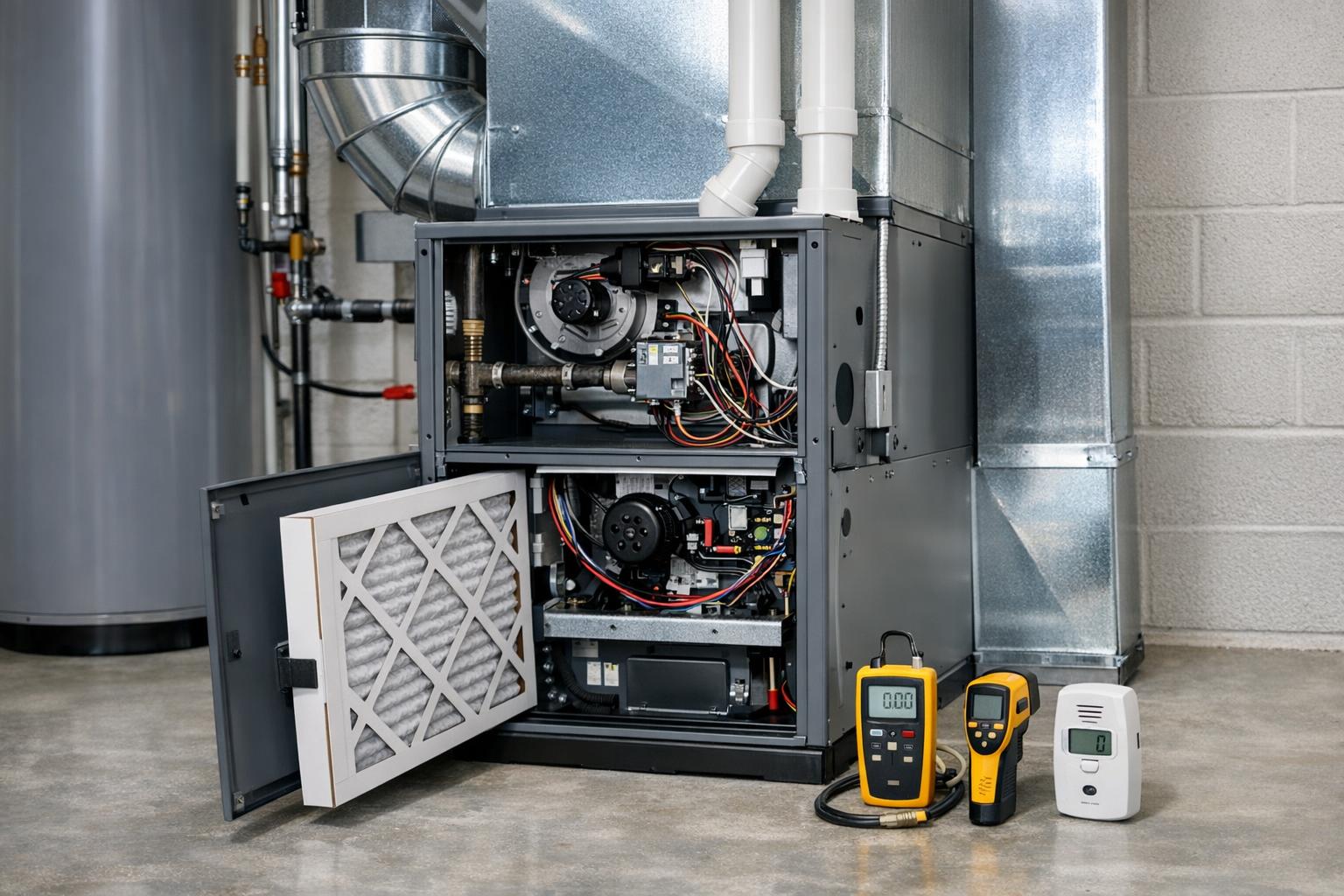
high electric bill ac colorado springs

High Electric Bill From AC in Colorado Springs? Practical Fixes That Lower kWh Without Sacrificing Comfort

A smart checklist for Pikes Peak homes where cooling costs jump fast

If your electric bill spikes when the AC runs, it usually isn’t one single “broken part.” It’s often a stack-up: thermostat habits, clogged airflow, a struggling capacitor, leaky ducts, a dirty outdoor coil, or an older system that’s simply working harder than it should. In Colorado Springs, the sunny afternoons and big day-to-night temperature swings can make that stack-up show quickly. Below is a homeowner-friendly way to find the biggest wins first—plus clear signs it’s time to call Absolute Comfort for a diagnostic or tune-up.

Why AC bills rise: the “kWh + timing” problem

Your electric cost is driven by (1) how many kilowatt-hours (kWh) your home uses and (2) when you use them—especially if you’re on a time-of-use plan. Colorado’s utilities (including Xcel Energy and Black Hills) use time-of-use structures where peak hours can cost more, so running cooling hardest during peak windows can amplify the bill even if total runtime doesn’t feel extreme.
 
Local note: If you’re on Xcel Energy’s residential Time-of-Use rate, peak-hour definitions have been updated in recent years (approved by the Colorado PUC). That makes it worth checking your bill and rate plan so you can shift cooling strategies (like pre-cooling) to cheaper hours when possible.

The fastest self-checks (10–20 minutes)

These steps don’t require special tools and can identify the most common “high bill” causes.
 
1) Air filter & return airflow
A loaded filter increases static pressure and can cut airflow enough to raise runtime and reduce dehumidification. If you’re unsure, replace it (match the correct size; avoid “too restrictive” filters if your system can’t handle them).
2) Thermostat schedule and setpoint habits
If the home is occupied, a common energy-saving starting point is around 78°F in summer, then higher when away—adjusted to your comfort and humidity needs. A “set it to 68°F to cool faster” habit doesn’t cool faster; it just runs longer.
3) Ceiling fans: helpful, but only when you’re in the room
Fans cool people, not rooms. Turn them off in unoccupied spaces. ENERGY STAR-certified ceiling fans are significantly more efficient than conventional models, and using them correctly can let you nudge the thermostat higher without feeling warmer.
4) Outdoor unit: clear space + visible coil condition
Make sure shrubs aren’t crowding the condenser and cottonwood fluff isn’t matting the coil. Restricted airflow outdoors raises head pressure, increases amperage draw, and drives up kWh.
5) Supply vents & doors
Keep supply vents open and unobstructed. Closing vents usually doesn’t “save” cooling; it can create pressure issues and uneven temperatures that lead to longer runtime.

When it’s not “habits”: HVAC problems that commonly inflate electric bills

If your system is running “normally” but the bill is still painful, these are the usual suspects a technician checks first.
 
Dirty evaporator coil (indoor)
Even with a “new filter,” older buildup on the indoor coil reduces heat transfer. That means longer cycles, reduced comfort, and higher kWh.
Weak capacitor, failing fan motor, or hard-start symptoms
These can cause higher amperage draw and inefficient operation—sometimes before the system “fully fails.” If the condenser sounds strained, cycles oddly, or struggles on hot afternoons, it’s worth testing.
Low refrigerant or incorrect charge
Refrigerant doesn’t get “used up.” Low charge usually indicates a leak, and the system becomes less efficient (and can be damaged) if it continues running that way.
Duct leakage or poor balancing
If the upstairs never cools, or one side of the home runs hot, the system may be “doing the work” but not delivering comfort efficiently—leading to more runtime and higher bills.

Quick comparison: low-cost fixes vs. technician-level fixes

What you’re trying Best for Typical signs it helps When to escalate
Replace/verify air filter Airflow restrictions Whistling returns, weak airflow, dusty home If filter loads quickly or coil may be dirty
Adjust thermostat + use fans correctly Runtime reduction Bill drops, fewer long cycles, steadier comfort If humidity/comfort becomes an issue
Clear condenser + keep it clean Outdoor airflow Better cooling during hot afternoons If unit still runs loud/hot or trips breaker
Professional AC maintenance / tune-up Efficiency + breakdown prevention Lower runtime, fewer surprise failures If system is older, short-cycles, or can’t keep up
 
Tip: If you’ve had a “perfectly fine” AC that suddenly became expensive, treat that as a diagnostic clue. Sharp changes often point to airflow, coil condition, capacitor/fan issues, or refrigerant problems—not just weather.

Did you know? Quick facts that help you spend less

Ceiling fans only save energy when you’re in the room. Turn them off when you leave to avoid paying for “phantom comfort.”
ENERGY STAR ceiling fans are built to move air more efficiently. If you’re replacing a fan anyway, efficiency matters over years of use.
Time-of-use pricing rewards shifting loads. If your plan has peak hours, a small routine change (pre-cool, shade management, delaying laundry/dishwasher) can reduce cost without reducing comfort.

Colorado Springs angle: use the evening cool-down to your advantage

Many Colorado Springs neighborhoods benefit from cooler nights compared to the hottest afternoon hours. When outdoor conditions cooperate, you can reduce AC workload by:

 
• Closing blinds/curtains on west-facing windows before the late-day sun hits.
• Using bathroom/kitchen exhaust fans strategically (short bursts) to remove heat and moisture.
• If you have time-of-use pricing, considering “pre-cooling” earlier (within comfort limits) so the AC doesn’t work hardest during peak hours.
• Having your system maintained before the hottest stretch so it runs at its designed efficiency when it matters.
 
If your AC can’t keep up even on mild days, or you’re seeing hot spots (especially upstairs), the issue may be sizing, duct design, insulation/attic heat gain, or a mechanical problem. A professional assessment prevents you from “chasing the thermostat” all summer.
 

Ready to lower your cooling costs without guesswork?

Absolute Comfort has served Colorado Springs and the Pikes Peak region since 1988. If your electric bill is climbing, we can identify whether it’s an efficiency issue, a failing component, refrigerant/airflow problem, or a system that’s nearing replacement territory—then walk you through practical options and financing if needed.
 

Book a Diagnostic or Maintenance Visit

 
Prefer to explore options first? You can also review our FAQs or learn about our team on the About Absolute Comfort page.

FAQ: High electric bill AC (Colorado Springs)

Why is my electric bill high even though my AC “seems fine”?
Many efficiency problems don’t show up as a total breakdown. Dirty coils, airflow restrictions, a weak capacitor, low refrigerant, or duct leakage can all increase runtime and kWh while the home still cools “okay.”
What’s the first thing I should check if my bill jumped this month?
Check the air filter, confirm supply/return vents aren’t blocked, and look at your thermostat schedule. Then check the outdoor unit for debris and restricted airflow. If the bill jump was sudden and nothing changed at home, schedule a professional inspection.
Does setting the thermostat much lower cool the house faster?
No. Most systems cool at a fixed capacity when running. Setting it far lower usually just causes longer runtime (and higher cost), not faster cooling.
Should I close vents in unused rooms to save money?
Usually, no. Closing vents can increase system pressure, worsen airflow, and make comfort less even—often increasing runtime. If some rooms are consistently uncomfortable, ask about balancing, duct improvements, or zoning options.
How often should I schedule AC maintenance in Colorado Springs?
A yearly AC tune-up is a strong baseline for most homes—especially before the hottest stretch—because it helps catch efficiency issues early and reduces mid-season breakdown risk.

Glossary (plain-English HVAC terms)

Capacitor
An electrical component that helps start and run AC motors. When it weakens, the system can run inefficiently or fail to start reliably.
Condenser (outdoor unit)
The outdoor portion of a central AC that releases heat from your home to the outside air. It needs clear airflow to work efficiently.
Evaporator coil (indoor coil)
The indoor coil that absorbs heat from your home’s air. When dirty or iced, it reduces cooling and increases runtime.
Refrigerant charge
The amount of refrigerant in the system. Incorrect charge (often from a leak) reduces efficiency and can damage the compressor.
Static pressure
A measure of airflow resistance in the duct system. High static pressure can mean the system is “pushing against” restrictions, increasing wear and reducing efficiency.

Related Posts

Accessibility Toolbar