Protect comfort, efficiency, and safety before Colorado’s next temperature swing A heating system inspection is more than a quick look at your furnace. In...
Furnace Tune-Up in Colorado Springs: What a Real Tune-Up Includes (and What You Can Do Yourself)
A practical guide for homeowners who want safer heat, fewer breakdowns, and better efficiency
Colorado Springs heating season can feel like it flips on fast—cool nights arrive early, and furnaces that were “fine last year” can suddenly short-cycle, blow lukewarm air, or set off a burning smell. A professional furnace tune-up is designed to catch the small issues (airflow restrictions, worn ignitors, dirty flame sensors, weak draft, safety problems) before they turn into no-heat calls on the coldest night of the year. This page breaks down what a quality furnace tune up in Colorado Springs should include, what you can safely do between visits, and how to tell the difference between maintenance and a sales pitch.
What “furnace tune-up” should mean (not just “we changed your filter”)
A true tune-up is a combination of cleaning, inspection, testing, and adjustment. The goal is to verify safe combustion (for gas furnaces), confirm correct airflow and temperature rise, and reduce the odds of nuisance shutdowns.
If your appointment ends with “everything looks good” but no measurements were taken and no safety checks were performed, you didn’t get much value. A thorough tune-up should involve documented readings and a clear summary of what was inspected, what was cleaned, and what may need attention soon.
A quality furnace tune-up checklist (what technicians should be checking)
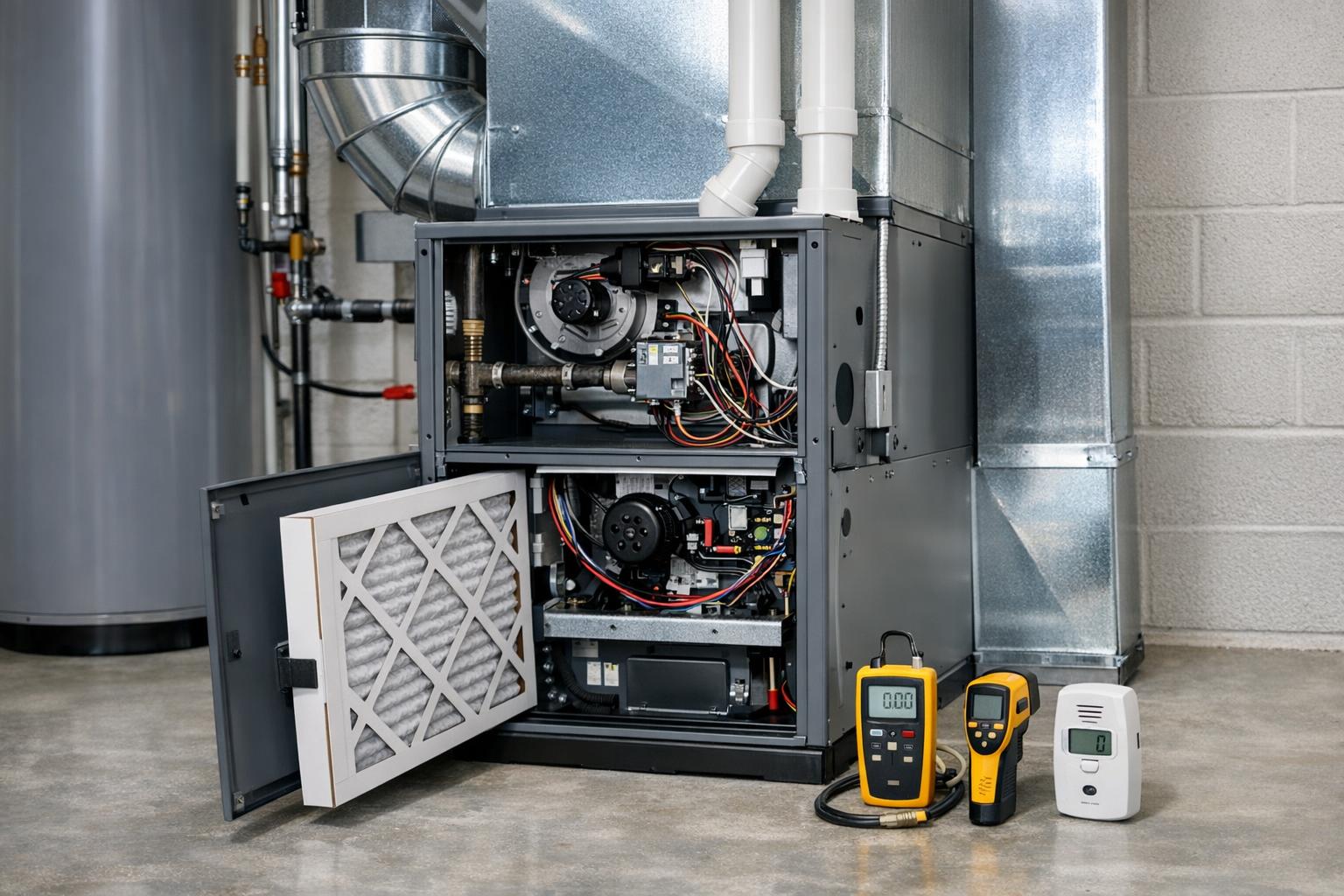
Every system is a little different (furnace vs. boiler vs. heat pump), but for a typical gas forced-air furnace, a strong tune-up commonly includes:
Safety + combustion basics
• Check for gas leaks and verify safe operation of ignition and flame-sensing components.
• Inspect venting/flue condition and draft (especially important in older homes or after remodels).
• Evaluate heat exchanger condition (visual inspection where accessible; additional testing may be recommended if there are symptoms like soot, odor, or persistent rollout issues).
• Confirm safeties: limit switch behavior, rollout switch status, pressure switch operation (for high-efficiency units).
• Verify carbon monoxide risk is minimized; if there are concerns, technicians may recommend a dedicated CO test and ensuring CO alarms are properly placed and working.
Airflow + performance checks
• Replace/clean the air filter (or confirm the homeowner’s filter size/type and condition).
• Measure temperature rise across the furnace to confirm it’s within manufacturer specs (a key clue for airflow problems).
• Inspect blower wheel and motor condition; address dust buildup that can reduce airflow and comfort.
• Check static pressure where applicable (high static can mean restrictive filters, undersized ductwork, closed vents, or dirty coils).
• Inspect electrical connections and controls; confirm proper cycle timing and stable operation.
Comfort and control tune-up items
• Thermostat accuracy and placement checks (avoid false readings from sun, drafts, or nearby heat sources).
• Confirm humidifier or air purification accessories (if installed) are operating correctly.
• Review homeowner comfort issues (hot/cold rooms, noise, dry air) and suggest practical next steps.
What you can safely do between tune-ups (high impact, low risk)
These steps help your system run better and also make your professional visit more productive.
1) Change your filter on a schedule that matches your home
Most homes do well with a filter check every month during heavy heating season, and replacement as needed. Homes with pets, renovations, or frequent dust may need more frequent changes. If you’re using a very high-MERV filter and noticing reduced airflow, talk to a technician—too much restriction can cause performance problems.
2) Keep supply and return vents open and unobstructed
Closing vents to “push heat to other rooms” often backfires by increasing static pressure. Make sure furniture, rugs, and curtains aren’t blocking returns—this is one of the most common causes of weak airflow complaints.
3) Clean the area around the furnace and intake/exhaust pipes
Keep the mechanical area clear (storage boxes too close can reduce service access and create safety concerns). For high-efficiency furnaces with PVC intake/exhaust, ensure nothing outside is obstructing termination points.
4) Test your CO alarms and replace batteries
CO alarms are a simple layer of protection. If an alarm chirps, goes off, or is past its replacement date, address it right away.
5) Note symptoms before you call
Write down what you’re noticing: odd smells, rattling at startup, frequent cycling, uneven temperatures, or a spike in utility costs. Those clues speed up diagnostics and reduce guesswork.
When a “tune-up” should turn into a repair recommendation
A tune-up is preventive, but sometimes it uncovers legitimate issues that should be addressed sooner rather than later. Examples include:
• A weak ignitor or intermittent ignition problems
• A dirty flame sensor causing random shutdowns
• Blower motor or capacitor issues affecting airflow
• Venting/draft concerns or signs of combustion instability
• Persistent high static pressure indicating airflow restrictions or ductwork limitations
A trustworthy technician will explain why the part matters, what symptoms it causes, and whether it’s “must-do now” or “plan for soon.”
Quick comparison: DIY maintenance vs. professional furnace tune-up
| Task | DIY? | Why it matters | Best timing |
|---|---|---|---|
| Replace/check air filter | Yes | Protects airflow, comfort, and equipment life | Monthly check in peak season |
| Keep vents/returns open and clear | Yes | Reduces strain and improves even heating | Anytime |
| Combustion/venting safety checks | No | Protects against unsafe operation and nuisance shutdowns | Annually |
| Blower inspection/cleaning (as needed) | Limited | Improves airflow and reduces noise | As recommended by condition |
| Temperature rise/static pressure readings | No | Confirms proper performance and airflow | Annually or when comfort issues occur |
Tip: Many homeowners get the best results by pairing good DIY basics (filter + airflow) with an annual professional inspection and safety-focused tune-up.
Colorado Springs local angle: plan tune-ups before the first cold snap
In the Pikes Peak region, temperatures can drop quickly in fall—meaning HVAC schedules fill up fast when everyone turns on heat at the same time. Booking your furnace tune-up early helps you avoid the rush and gives you time to handle any recommended repairs before you truly need the system.
If your home has higher dust levels (common in dry climates), or you run a whole-home humidifier, you’ll often benefit from a slightly more proactive filter and maintenance routine. If you’re a property manager, a planned maintenance schedule can also reduce after-hours emergencies and tenant discomfort calls.
Homes with boilers or radiant heat
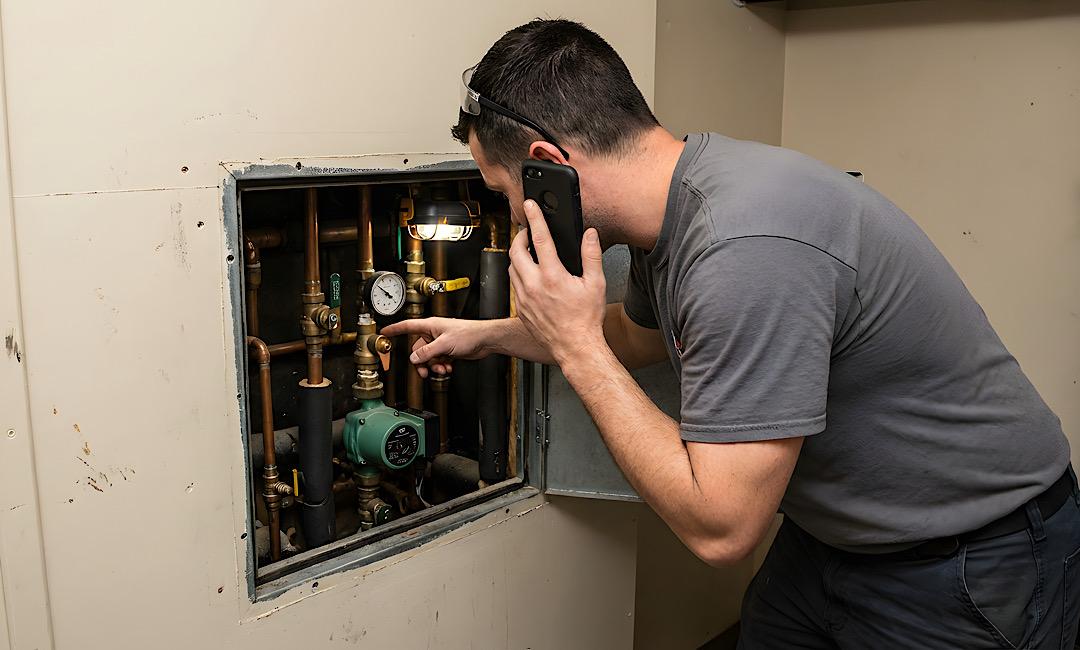
If you have a boiler or radiant heating system, maintenance looks different than a forced-air furnace. Instead of filter-and-blower priorities, the focus is on safe combustion (if applicable), circulation, pressure, air removal, controls, and consistent heat delivery. If you’re not sure what you have, a technician can confirm the system type and the right maintenance plan.
Schedule a furnace tune-up with Absolute Comfort
Absolute Comfort has served Colorado Springs and the Pikes Peak region since 1988. If you want a tune-up that focuses on safety, performance, and long-term reliability (not guesswork), we’re here to help.
FAQ: Furnace tune-ups in Colorado Springs
How often should I schedule a furnace tune-up?
Most homeowners schedule professional maintenance once per year (ideally before heavy heating season). If your system is older, you have comfort issues, or you’ve had repeated breakdowns, twice-a-year HVAC maintenance (heating + cooling) can be a smart plan.
Is a furnace tune-up worth it if my furnace seems to work fine?
Yes—because many common failures (dirty flame sensor, weak ignitor, airflow restrictions) start as intermittent issues. A good tune-up can catch those early, improve efficiency, and reduce the chance of a no-heat situation during a cold snap.
What’s the difference between a tune-up and a repair call?
A tune-up is planned preventive maintenance with testing and cleaning. A repair call is problem-focused (no heat, unusual noise, tripped safety, etc.) and may involve diagnosing a failed part and restoring operation quickly.
Can I do my own furnace tune-up?
You can handle high-impact basics like filter changes, keeping vents clear, and monitoring symptoms. Combustion safety, venting checks, and electrical/mechanical testing are best left to trained professionals with the right instruments.
What are signs I should schedule service right away?
Call for service if you notice frequent on/off cycling, persistent burning odors, rumbling or banging at startup, soot near the furnace or vents, weak airflow, or if your CO alarm activates. If you have any safety concerns, it’s better to pause operation and get a professional assessment.
Glossary (helpful HVAC terms)
Temperature rise
The difference between return-air temperature and supply-air temperature while the furnace is running. Helps confirm proper airflow and operation.
Static pressure
Airflow resistance in the duct system. High static pressure can point to restrictive filters, closed vents, duct issues, or dirty components.
Flame sensor
A safety device that proves the burner flame is present. If it gets dirty, the furnace may start and then shut off.
Short-cycling
When a furnace turns on and off too frequently. Often linked to airflow issues, control problems, or improper sizing.
Draft / venting
How combustion gases are safely exhausted from the home. Poor draft or blocked venting can create performance and safety issues.
Want a second set of eyes on your system’s condition, airflow, or comfort issues? Contact Absolute Comfort to schedule service in Colorado Springs and the Pikes Peak region.