A smart checklist for Pikes Peak homes where cooling costs jump fast If your electric bill spikes when the AC runs, it usually isn’t...
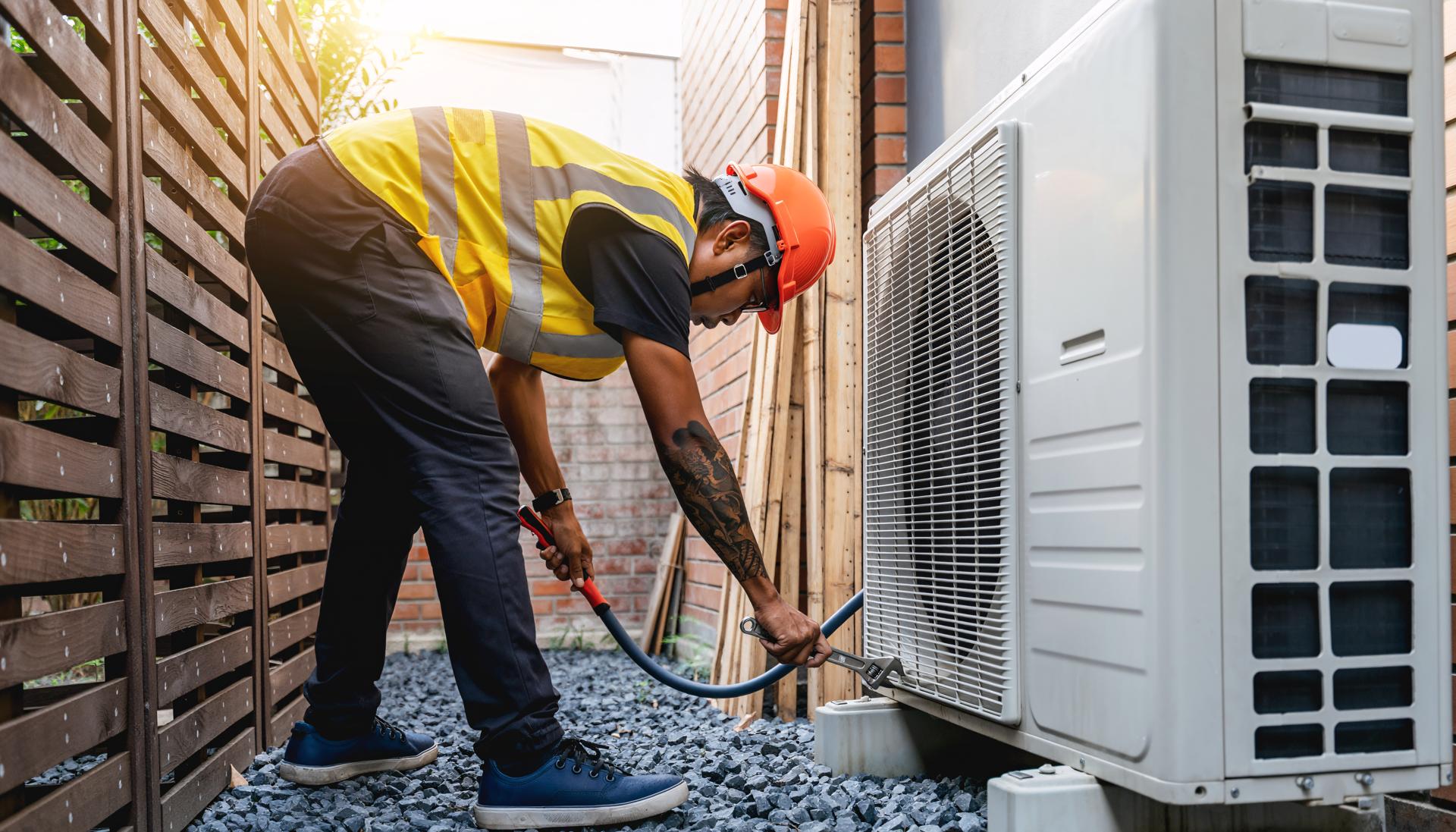
AC Running Constantly in Colorado Springs? Practical Reasons, Quick Checks, and When to Call a Pro
Why your air conditioner won’t stop—and what it often means for comfort, energy use, and system health
If you’re searching “AC running constantly Colorado Springs”, you’re not alone—long run times are one of the most common summer complaints along the Front Range. Sometimes it’s normal (high heat + strong sun + a well-sized system can run long cycles). Other times it’s a red flag: restricted airflow, thermostat issues, duct leakage, low refrigerant, dirty coils, or a system that’s simply past its prime.
Below is a homeowner-friendly checklist to help you decide what you can safely check yourself and what deserves a professional diagnostic—so you can get back to steady temperatures without guessing.
Quick reality check: “Constantly running” can mean two different things:
1) The outdoor unit runs most of the time (compressor + fan outside) and the indoor blower is pushing cool air.
2) The indoor fan runs all day even when the outdoor unit is off (often a thermostat “Fan On” setting).
The fixes can be totally different—so start by noticing whether the outdoor unit is actually running nonstop or if it’s mainly the indoor fan.
Top reasons an AC runs nonstop (and the safest first steps)
1) Thermostat settings (or “Fan On”)
Check two items:
Fan setting: set it to Auto, not On, if you don’t want continuous airflow.
Setpoint strategy: dropping the thermostat very low doesn’t “force” faster cooling; it just keeps the system calling longer. For energy savings, ENERGY STAR commonly cites 78°F as a summer starting point (higher when away/asleep), then adjust to what’s comfortable for your household.
Colorado Springs comfort tip: Because the air is often dry, many homeowners feel comfortable at a slightly higher temperature when using ceiling fans effectively.
2) A dirty air filter (restricted airflow)
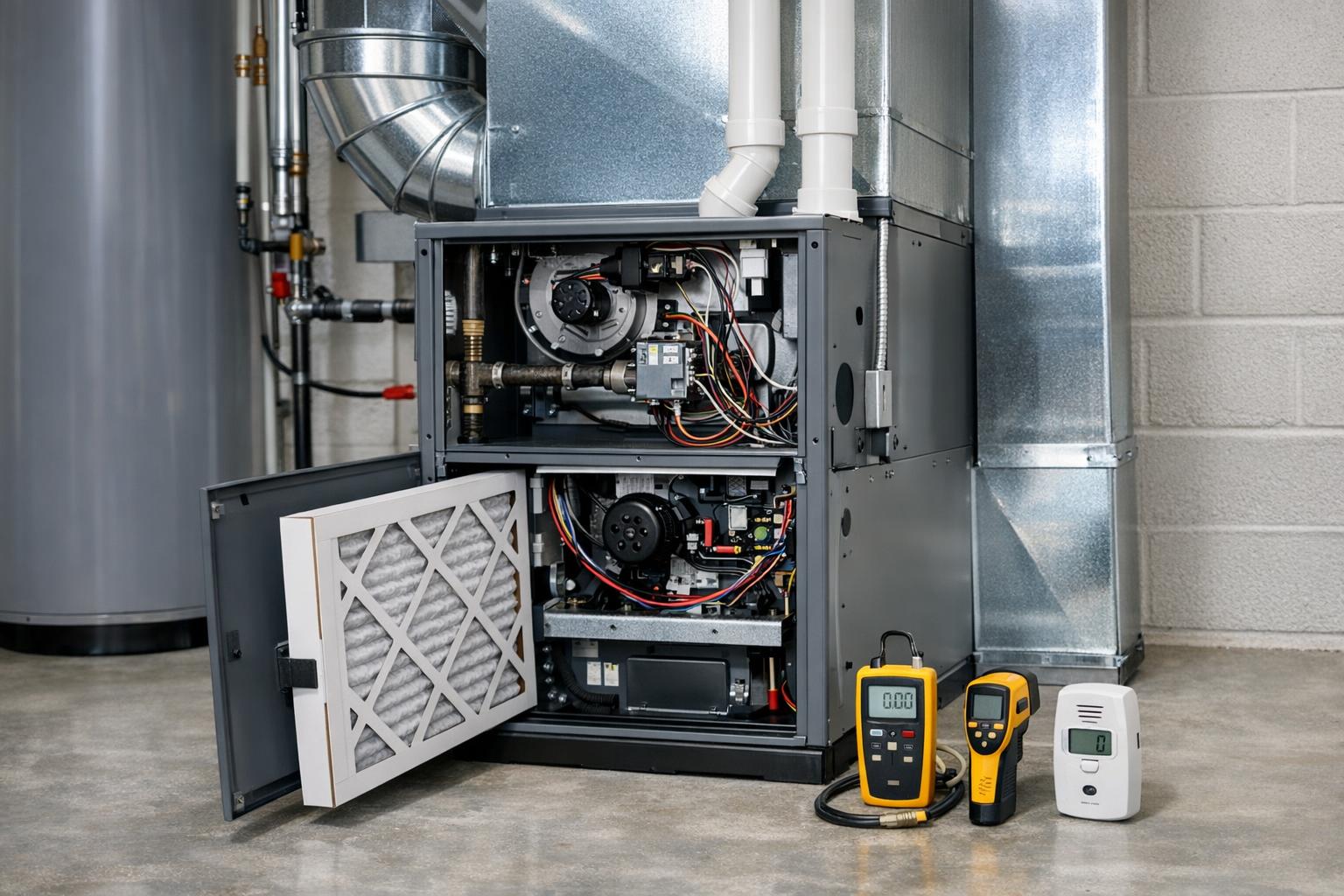
A clogged filter is one of the most common and most fixable reasons for long run times. When airflow drops, your system can’t move enough air across the indoor coil, which can cause weak cooling and may contribute to coil icing.
What to do now:
• Replace the filter (match size; install with airflow arrow pointing toward the equipment).
• If you use a thicker/high-MERV filter, confirm your system can handle it—too much resistance can reduce performance.
Many EPA indoor air resources note that filtration can help indoor air quality, but the “best” filter depends on your system’s ability to handle the added pressure drop—so it’s worth having a technician verify what’s appropriate for your setup.
3) Dirty outdoor condenser coil (heat can’t leave the system)
Your outdoor unit has to reject heat. If the coil is packed with cottonwood fluff, dust, or grass clippings, the system loses capacity and runs longer.
Safe homeowner checks:
• Make sure there’s 2–3 feet of clearance around the unit (trim shrubs, remove stored items).
• With power off, gently rinse the coil from the outside with a garden hose (no pressure washer).
If fins are bent, electrical parts are exposed, or you’re unsure where to shut power off safely, schedule service.
4) Low refrigerant or a refrigerant leak
Refrigerant isn’t “used up.” If your system is low, it typically indicates a leak. Low charge can reduce cooling, cause the system to run constantly, and may contribute to ice forming on the indoor coil or refrigerant lines.
Call a pro sooner if you notice:
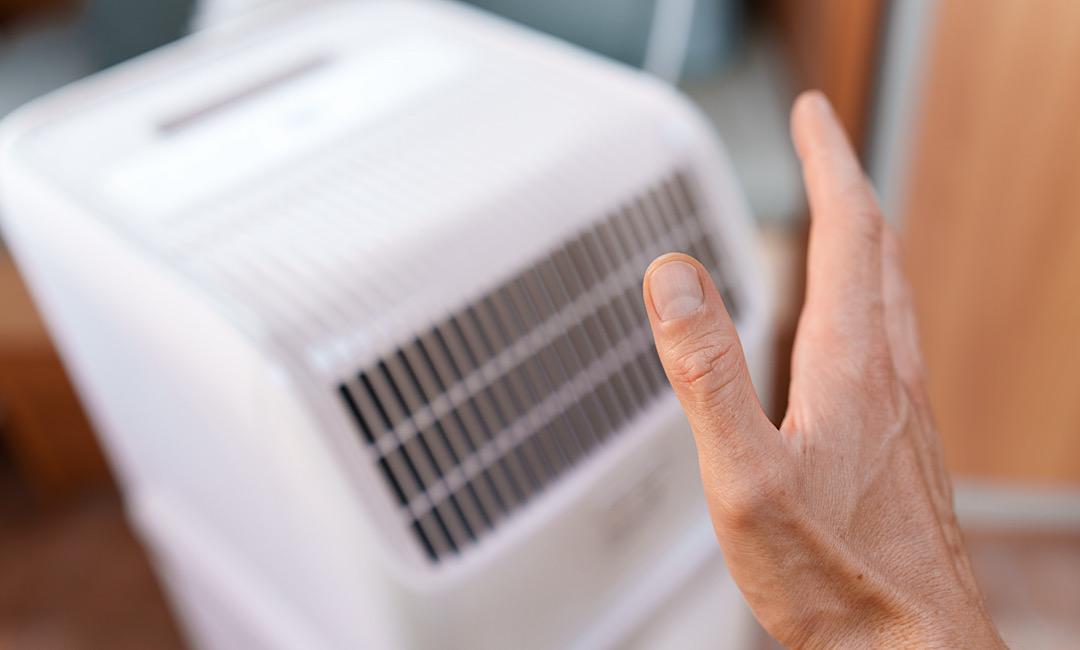
• Warm air or weak airflow at vents (even with a clean filter)
• Ice on the copper line or indoor coil
• Hissing/bubbling near the indoor or outdoor unit
5) Duct leaks, poor insulation, or sun-driven heat gain
In the Pikes Peak region, intense afternoon sun plus big temperature swings can overwhelm a home that has:
• Leaky supply/return ducts (especially in attics/crawlspaces)
• Under-insulated attic spaces
• West-facing windows without shades/films
• Open return pathways blocked by closed doors
Fast comfort wins: close blinds on the sunny side, run ceiling fans counterclockwise, and avoid using ovens/dryers during peak heat if possible.
6) The system is oversized, undersized, or aging
If your AC never catches up, it may be undersized, losing capacity, or dealing with airflow/refrigerant issues. If it cools quickly but you still feel uncomfortable, an oversized system can short-cycle and struggle with even temperatures.
If your equipment is older and repairs are stacking up, it may be worth an efficiency evaluation and replacement quote.
Did you know? (Fast facts homeowners can use)
A “too-cold” thermostat setting doesn’t cool faster. It simply tells the system to keep running until the setpoint is reached—so it can run for hours if there’s an underlying performance problem.
Airflow problems can mimic refrigerant problems. A clogged filter or dirty coil can reduce capacity so much that the home never cools, even though the thermostat is calling nonstop.
Indoor air quality and AC performance are connected. Better filtration can help capture particles, but filters that are too restrictive for your system can reduce airflow—balance matters.
Quick troubleshooting table: Symptoms → likely causes → next step
| What you notice | Common causes | What to do |
|---|---|---|
| Indoor fan runs all day, outdoor unit cycles normally | Thermostat fan set to “On” | Switch fan to “Auto”; consider comfort/IAQ goals before leaving “On” permanently |
| Outdoor unit runs constantly; house cools slowly | Dirty filter, dirty coils, heat gain, duct leakage, low refrigerant | Replace filter; clear/rinse outdoor unit; if no improvement in 24 hours, schedule diagnostics |
| Ice on indoor coil or copper line | Restricted airflow or low refrigerant | Turn system off to prevent damage; set fan to “On” to thaw; call for service |
| Some rooms never cool | Duct balance issues, insulation, return airflow restrictions | Check vents aren’t blocked; keep doors cracked if return is limited; request airflow/balance evaluation |
Local angle: What makes Colorado Springs homes run their AC longer?
Colorado Springs homeowners often see longer AC run times because of a few local realities:
Strong sun at elevation: High-altitude sunlight can add a surprising amount of heat through windows and roofs.
Big day-to-night swings: Homes can heat up quickly during the day, then cool rapidly at night—thermostat schedules and shading strategies matter.
Dust and seasonal debris: Outdoor coils can load up fast, and filters can clog sooner depending on pets, construction dust, and wildfire smoke events.
If your AC is running constantly during mild weather (not just peak hot afternoons), that’s a strong sign something needs attention.
Ready to stop the nonstop run time?
Absolute Comfort has served Colorado Springs and the Pikes Peak region since 1988. If your system can’t keep up, is freezing, or your bills jumped, a professional diagnostic can pinpoint whether the issue is airflow, refrigerant, controls, or equipment condition.
Schedule Service / Request an Estimate
Prefer to research first? Visit our FAQ page for quick answers about maintenance, repairs, and what to expect.
FAQ: AC running constantly (Colorado Springs homeowners ask these a lot)
Is it bad if my AC runs all day?
It depends. Long run times during the hottest part of the day can be normal. But if it runs nonstop and never reaches set temperature, or it’s running constantly during mild conditions, it often points to restricted airflow, dirty coils, duct leakage, low refrigerant, or an aging system losing capacity.
Why is my AC running but not cooling enough?
The most common culprits are a dirty filter, dirty outdoor coil, closed/blocked vents, or refrigerant issues. Start with the filter and airflow basics. If airflow is good and it’s still not cooling, it’s time for a technician to check pressures, temperatures, and system operation.
Should I turn my thermostat way down to cool faster?
No—thermostats don’t work like a gas pedal. A lower setting just keeps the call for cooling active longer. If your home isn’t cooling at a normal setpoint, lowering it usually increases run time and cost without solving the root cause.
How often should I change my AC/furnace filter?
Many households do well checking monthly and replacing every 1–3 months, but it varies by filter type, pets, dust, allergies, and how often the system runs. If your AC is running constantly, check it sooner—restricted airflow is a common trigger.
When should I book AC maintenance?
Ideally before peak summer demand. A tune-up can catch airflow restrictions, coil buildup, electrical wear, and performance issues that lead to long run times. If you’re already experiencing constant running, maintenance may still help—unless there’s a repair need (refrigerant leak, failing motor, etc.).
Glossary (quick definitions)
MERV rating
A scale that rates how effectively an air filter captures particles. Higher MERV can mean better filtration but may restrict airflow if the HVAC system isn’t designed for it.
Evaporator coil (indoor coil)
The cold coil inside your home that absorbs heat from indoor air. Poor airflow or low refrigerant can lead to icing.
Condenser coil (outdoor coil)
The coil in the outdoor unit that releases heat outside. If it’s dirty or blocked, the AC can’t reject heat efficiently and may run much longer.
Short-cycling
When an AC turns on and off too frequently. It can be caused by oversized equipment, thermostat issues, or certain mechanical/electrical problems.
Heat gain
The heat your home picks up from sun, outdoor air leaks, appliances, and people—one big reason an AC can struggle during afternoon peaks.