

September 5, 2026
Protect comfort, efficiency, and safety before Colorado’s next temperature swing A heating system inspection is more than a quick look at your furnace. In...
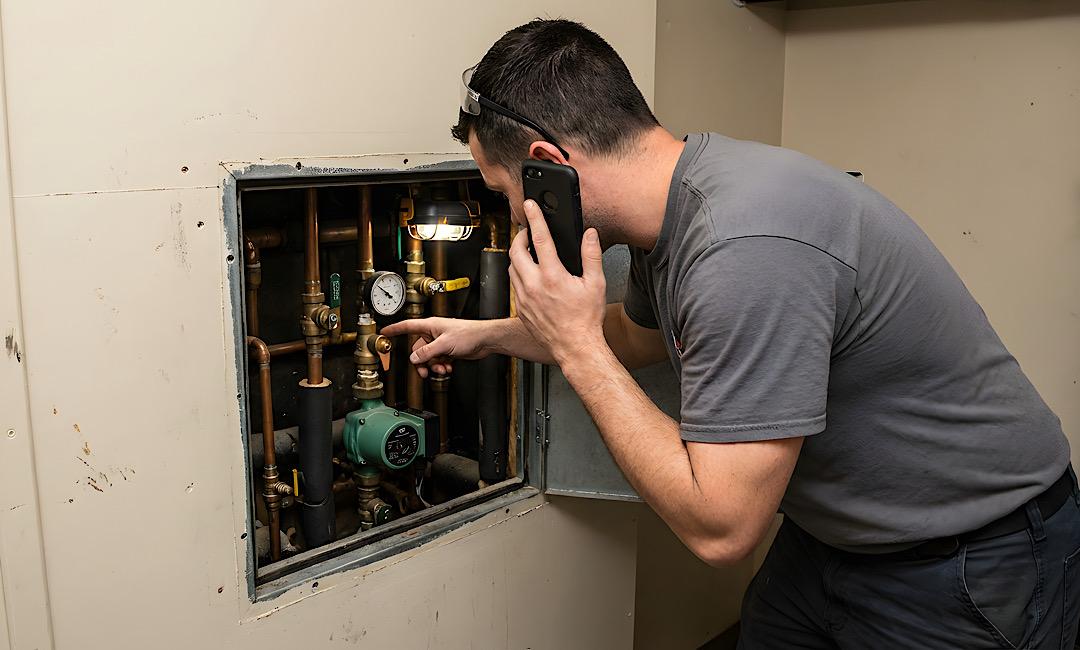
When your furnace sputters on a frigid Colorado Springs night, the immediate concern is getting the heat back on. The second is almost always the cost. Understanding the potential heating repair cost in Colorado Springs can alleviate some of that stress and help you make informed decisions. Repair costs aren’t arbitrary; they’re a combination of several specific factors, from the type of system warming your home to the complexity of the issue at hand.
Whether you have a furnace, boiler, or heat pump, a breakdown can disrupt your comfort and your budget. This guide breaks down what homeowners in the Pikes Peak region can expect when facing a heating repair, helping you understand the value behind the service and how to manage unexpected expenses.
Several variables play a role in the final price of a heating repair. Being aware of them can help you understand the quote you receive from a professional technician.
The cost to repair a gas furnace will differ from fixing an electric radiant heating system or a complex boiler. Furnaces are common in Colorado Springs and parts are generally accessible, while specialized systems like boiler services might require more specific expertise and components.
Older systems can be more expensive to repair. Parts may be harder to find, and the unit might require more labor to disassemble and service. If your furnace is over 15 years old, it’s often wise to weigh the cost of repairs against a full heating system replacement.
The component that has failed is a major cost driver. A simple flame sensor cleaning is one of the more affordable fixes, often costing between $75 and $250. On the other hand, replacing a critical component like a heat exchanger can be significantly more expensive, sometimes running from $1,500 to $3,500, due to the part’s cost and the intensive labor involved.
HVAC technicians are skilled tradespeople, and their expertise is factored into the cost. Most companies have a standard service call fee for diagnostics. The complexity of the repair determines the amount of labor time required. Emergency, after-hours, or holiday service calls often come with higher labor rates.
While every situation is unique, here’s a look at common heating issues and their typical cost ranges. Please note: These are general estimates, and prices can vary based on your specific system, location, and the current market.
| Common Repair | Estimated Cost Range | Description |
|---|---|---|
| Thermostat Replacement | $100 – $500 | A faulty thermostat can cause your system to not turn on or cycle improperly. Costs vary from basic models to smart thermostats. |
| Ignitor or Pilot Light Repair | $150 – $400 | This is a frequent issue in gas furnaces. If the ignitor fails, the furnace won’t produce heat. |
| Blower Motor Replacement | $500 – $1,500+ | The blower motor pushes warm air through your ducts. Replacement is a more significant repair, with costs depending on motor type. |
| Flame Sensor Cleaning/Replacement | $75 – $250 | A dirty flame sensor can shut your furnace down as a safety precaution. This is a relatively quick and affordable fix. |
| Heat Exchanger Replacement | $1,500 – $3,500+ | This is one of the most expensive furnace repairs. A cracked heat exchanger can leak carbon monoxide and is a serious safety hazard. In many cases, replacing the entire furnace is more cost-effective. |
According to the U.S. Department of Energy, homes can lose up to 30% of heated air through leaks in ductwork. This not only drives up your energy bills but also puts extra strain on your heating system, potentially leading to more frequent repairs.
It can be tempting to search for a DIY solution to save money. While simple tasks like changing an air filter are great for homeowners, most heating repairs should be left to certified professionals. HVAC systems are complex and involve high-voltage electricity and natural gas lines. An incorrect repair can lead to further damage, void your manufacturer’s warranty, or create serious safety risks like gas leaks or fire hazards. Hiring a trusted, local heating and cooling company ensures the job is done safely and correctly.
Living in Colorado Springs means relying heavily on our heating systems for a significant part of the year. The long, cold winters and fluctuating temperatures put consistent stress on furnaces and boilers. This high usage can accelerate wear and tear, making routine check-ups crucial. Furthermore, the dry climate can impact components like humidifiers and affect overall indoor air quality. Regular, professional heating maintenance is the most effective way to prevent costly surprise breakdowns and ensure your system runs efficiently all winter.
Don’t let a broken heater leave you in the cold. The experienced technicians at Absolute Comfort have been serving the Colorado Springs community since 1988. We provide transparent pricing and expert heating repair to get your home warm and comfortable again.
It depends on the cost of the repair. A general rule of thumb is if the repair cost is 50% or more of the cost of a new furnace, replacement is usually the better long-term investment. Furnaces typically last 15-20 years, so at 15 years, it’s nearing the end of its expected lifespan.
A sudden spike in your heating bill can be a sign that your system is losing efficiency. Common causes include a dirty air filter, leaking ductwork, or a component that is beginning to fail, forcing the system to work harder. It’s a good idea to schedule a maintenance check if you notice an unexplained increase in energy use.
The best way to save money on repairs is to prevent them. Scheduling annual professional maintenance helps catch small issues before they become major, expensive problems. Keeping your air filters clean and ensuring vents aren’t blocked also helps your system run efficiently.
Yes, we understand that heating emergencies can’t wait. We offer prompt and reliable HVAC services for urgent situations to restore safety and comfort to your home as quickly as possible.
Protect comfort, efficiency, and safety before Colorado’s next temperature swing A heating system inspection is more than a quick look at your furnace. In...
A smart checklist for Pikes Peak homes where cooling costs jump fast If your electric bill spikes when the AC runs, it usually isn’t...

Fast, calm troubleshooting for hot nights, warm airflow, and sudden AC shutdowns When your air conditioner fails after hours, it’s not just uncomfortable—Colorado Springs...