

July 20, 2026
Fast, calm troubleshooting for hot nights, warm airflow, and sudden AC shutdowns When your air conditioner fails after hours, it’s not just uncomfortable—Colorado Springs...
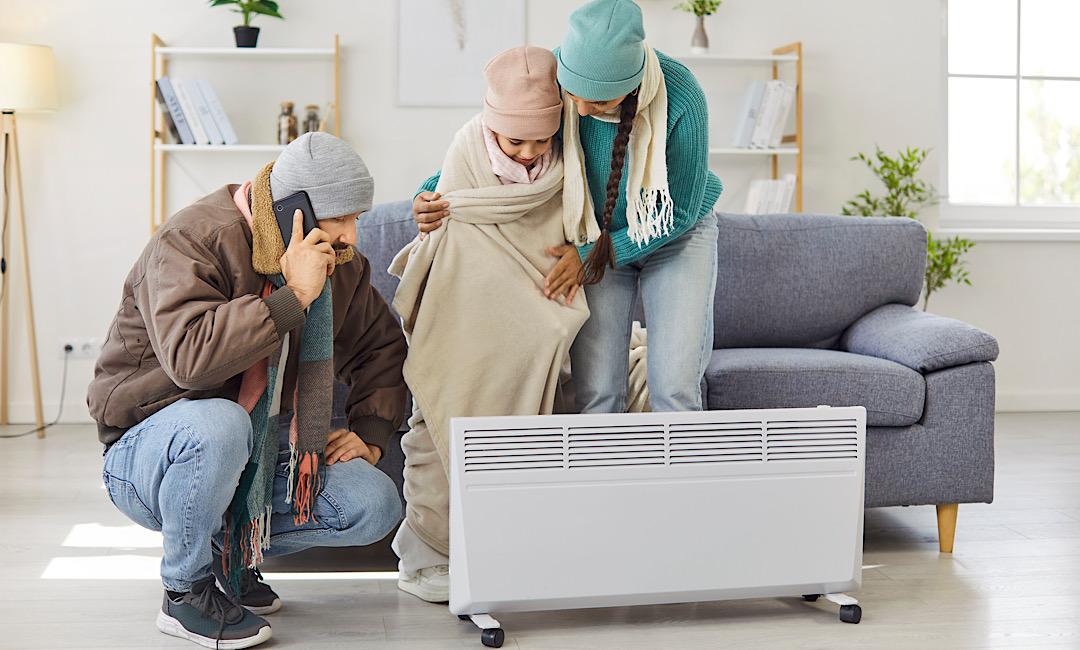
A sudden loss of heat during a Colorado Springs winter isn’t just an inconvenience—it’s an emergency. When the temperature plummets and your furnace stops working, it can feel overwhelming. The good news is that you can take a few simple, safe steps to diagnose the issue before calling for help. This guide provides a clear action plan to help you assess the situation, perform basic troubleshooting, and understand when it’s time to call in a professional for an emergency heating repair. As your local HVAC experts since 1988, Absolute Comfort is here to restore your warmth and peace of mind.
Before you try to fix anything, your top priority is safety. Certain furnace problems can pose serious risks. Pay attention to these immediate warning signs:
Smell of Gas: If you detect a rotten egg smell, it could indicate a natural gas leak. Do not operate any electrical switches, use your phone, or create any sparks. Evacuate your home immediately, and call your gas company and 911 from a safe distance.
Carbon Monoxide Detector: Check if your carbon monoxide (CO) detector has been triggered. CO is an odorless, colorless gas that can be deadly. If the alarm is sounding, open windows, get everyone outside into fresh air immediately, and call for emergency services.
Concerning Noises: Loud banging, screeching, or scraping sounds from your furnace are not normal. In these cases, it’s best to shut the system off at the circuit breaker to prevent further damage and call a professional right away.
If you’ve confirmed there are no immediate safety threats, there are a few common issues you might be able to resolve on your own. Work through this checklist before making a service call:
This may seem obvious, but it’s a frequent culprit. Ensure the thermostat is set to “heat” and the temperature is set several degrees higher than the current room temperature. Check the batteries and replace them if the display is blank or weak.
Your furnace uses electricity to operate. Locate your home’s electrical panel and check if the breaker for the furnace has tripped. If it has, flip it back to the “on” position. If it trips again, do not reset it; this indicates a more serious electrical problem requiring professional diagnosis.
A severely clogged air filter can restrict airflow and cause your furnace to overheat and shut down. Check your filter and if it’s visibly dirty, replace it. A clean filter is crucial for efficient heating. You can find more information about filtration options on our air filters and purifiers page.
Walk through your home and make sure all heating vents are open and not blocked by furniture, rugs, or other objects. Proper airflow is essential for your heating system to work effectively.
Regular professional maintenance can prevent the majority of unexpected heating system breakdowns. An annual tune-up ensures your furnace is clean, safe, and running efficiently before the winter cold sets in. Learn more about our comprehensive energy-saving heating maintenance services.
If your troubleshooting efforts don’t restore heat, it’s time to call in the experts. Certain symptoms signal a more complex problem that requires professional tools and knowledge. Contact a certified technician if you notice:
Attempting to fix these issues without proper training can be dangerous and may lead to more extensive damage. Our team is equipped to handle all types of furnace and boiler repairs safely and efficiently.
Heating a home in Colorado Springs comes with unique challenges. The Pikes Peak region’s high altitude, dry air, and rapid temperature fluctuations put significant stress on HVAC systems. Equipment has to work harder here than at sea level. That’s why having a local heating and cooling company that understands these specific conditions is so important.
For over 35 years, Absolute Comfort has been serving our community, providing reliable heating solutions tailored to our climate. We know what it takes to keep your home warm and safe through even the harshest Colorado winters.
Don’t wait in the cold. The Absolute Comfort team is ready to respond with prompt, professional emergency service to get your heat back on. Our technicians are standing by to deliver the warmth and security you deserve.
Absolutely. The single best way to prevent unexpected breakdowns is with routine professional maintenance. An annual tune-up allows a technician to identify and fix small issues before they become major problems, ensuring your system runs reliably and efficiently all winter. Find out more about our heating maintenance plans.
At Absolute Comfort, we prioritize emergency calls. We understand the urgency of a no-heat situation in Colorado Springs and strive to dispatch our technicians as quickly as possible to restore your comfort and safety.
No. Unusual noises like banging, scraping, or high-pitched squealing often indicate a serious mechanical problem, such as a loose part or a failing motor. Continuing to run the system could cause catastrophic damage. Turn the furnace off and schedule an emergency repair immediately.
The cost varies depending on the nature of the problem, the parts required, and the time needed for the repair. Our technicians will always perform a thorough diagnosis and provide you with a clear, upfront estimate before any work begins, so there are no surprises.
Carbon Monoxide (CO) Detector: A safety device that detects the presence of carbon monoxide gas to prevent poisoning.
Circuit Breaker: An automatic electrical switch designed to protect an electrical circuit from damage caused by excess current, such as an overload or short circuit.
Heat Exchanger: A component in a furnace that transfers heat from the combustion process to the air that is then circulated throughout your home. A cracked heat exchanger can leak carbon monoxide.
Pilot Light: A small, continuously burning gas flame in older furnaces that ignites the main burners when the system calls for heat. Modern systems use electronic ignition instead.
Fast, calm troubleshooting for hot nights, warm airflow, and sudden AC shutdowns When your air conditioner fails after hours, it’s not just uncomfortable—Colorado Springs...
Navigation ▼ Regain Control of Your Home’s Comfort 5 Common Signs Your Thermostat Is Failing DIY Checks vs. Professional Repair The Colorado Springs Climate...

Navigation ▼ Decoding Your HVAC Repair Bill Need a Clear and Honest Repair Estimate? Decoding Your HVAC Repair Bill When your furnace sputters on...