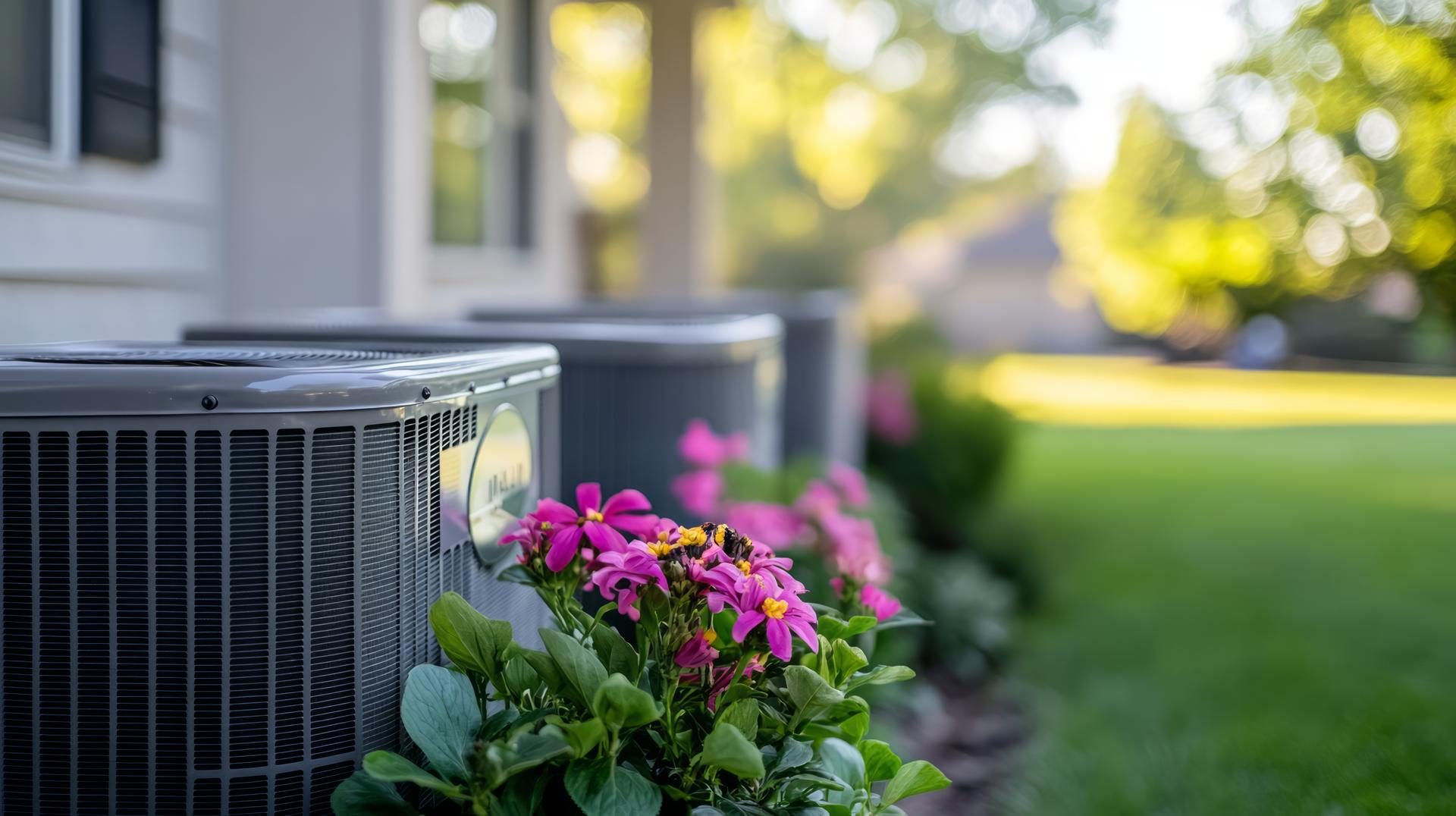
Three air conditioners in front of a house

Central Air Replacement in Colorado Springs: A Homeowner’s 2026 Guide to Sizing, SEER2, and New Refrigerants

Replace your AC with confidence—before summer heat and peak scheduling hit

Central air replacement in Colorado Springs isn’t just about “getting a new unit.” Our high-desert sun, big day/night temperature swings, altitude, and springtime dust can all impact comfort and efficiency. If your system is older, short-cycling, or struggling to keep up, the best upgrade is one that’s correctly sized, matched to your ductwork, and compliant with modern efficiency testing (SEER2) and the refrigerant transition happening across the HVAC industry.

When it’s time to replace (not just repair)

A repair can be the right call—until it isn’t. In Colorado Springs, replacement becomes the smarter long-term move when you’re dealing with rising repair frequency, comfort complaints in certain rooms, or a system that’s nearing the end of its typical service life.

 
Common replacement triggers:
• The AC is ~12–15+ years old and cooling performance is fading
• Major component failure (compressor, coil leak) plus other wear issues
• Utility bills are climbing despite filter changes and basic upkeep
• The system runs constantly, but your home still feels warm or humid
• You’re planning home improvements and want better comfort control (zoning, variable-speed, etc.)
 

If you’re unsure, a diagnostic can clarify whether you’re looking at a “fix and maintain” year—or the start of a cycle of costly repairs. If you need quick help, visit our AC repair page for options.

SEER2 explained (and what it means for Colorado Springs)

You’ll see “SEER2” on modern equipment ratings. It’s a newer efficiency testing method (used for most residential systems sold since 2023) designed to better reflect real-world ductwork and airflow conditions. In practical terms: SEER2 helps you compare efficiency apples-to-apples when choosing a replacement system, and it can influence rebates and long-term operating costs.

 
What you’re comparing
Why it matters
Typical homeowner impact
What to ask your contractor
SEER vs. SEER2
SEER2 uses updated testing conditions that better reflect installed systems
Clearer “real-life” efficiency comparisons
“What is the system’s SEER2 rating for the exact matched equipment you’re quoting?”
Minimum efficiency rules
Federal minimums vary by region; Colorado is in the “North” region for many residential CAC rules
Ensures new installs meet baseline performance
“Will this exact model combination meet our region’s requirements and permit expectations?”
 

A high-efficiency system only delivers on paper if airflow is right. That’s why duct condition, static pressure, and filtration choices matter so much in Colorado Springs homes—especially older neighborhoods with retrofit ductwork.

The 2025+ refrigerant change: what homeowners should know

If you’ve heard “R-410A is going away,” the important detail is this: the shift is about newly manufactured HVAC equipment moving to lower-GWP refrigerants. Many manufacturers are transitioning residential AC and heat pump product lines toward refrigerants like R-454B and R-32, and federal rules limit installing new systems using refrigerants above certain GWP thresholds after the compliance dates.

 
What this means for your replacement decision
• If your current system uses R-410A, it can still be serviced; you’re not required to replace it just because of the transition.
• If you’re replacing the system, you may be choosing between equipment families that use different refrigerants depending on manufacturer availability and model year.
• Newer refrigerants are often classified as A2L (mildly flammable), which changes installation and safety requirements. Your contractor should be trained and equipped for these systems.
 

For homeowners, the takeaway is simple: focus on a properly matched system and a quality installation. The right contractor will select equipment designed for the refrigerant it uses—no “mix and match” shortcuts.

How to choose the right central air replacement (step-by-step)

1) Start with sizing (Manual J), not the old unit’s tonnage

Bigger is not better. Oversized AC can cool too fast, run shorter cycles, and leave uneven temperatures (and sometimes higher humidity indoors). The best practice is to calculate your home’s cooling load based on insulation, windows, orientation, shading, and airflow.

2) Confirm duct health and airflow

Colorado Springs homes often have a mix of newer equipment with older ducts. Restrictive returns, leaky duct runs, or a dirty coil can reduce delivered comfort. Ask whether any duct improvements are recommended before (or along with) replacement.

3) Pick the right efficiency level for how you live

Higher SEER2 can mean lower operating costs, but the “best” option depends on your runtime, comfort goals, and whether you plan to stay in the home long-term. If you run AC lightly, you might prioritize reliability and comfort features over extreme efficiency.

4) Decide on comfort features: single-stage vs. two-stage vs. variable-speed

Single-stage: straightforward, budget-friendly, fewer moving parts
Two-stage: better temperature stability and quieter operation in many homes
Variable-speed: strongest comfort control and efficiency potential, especially when matched with a compatible indoor blower

5) Plan maintenance from day one

Proper maintenance protects efficiency and helps catch small issues early—especially before peak heat events. If you want a seasonal plan, see our AC maintenance options.

Quick “Did you know?” facts (Colorado Springs edition)

Did you know? A “high-efficiency” AC can underperform if the duct system is restrictive—SEER2 testing better accounts for real-world airflow, which is why installation quality and duct condition matter more than ever.
Did you know? In our region, spring wind and dust can load filters faster than homeowners expect. A filter that’s too restrictive (or overdue) can reduce airflow and make the system work harder.
Did you know? Replacing an AC is often the perfect time to improve indoor air quality—better filtration, purification, or humidity control can make the whole home feel more comfortable even at a higher thermostat setting. Learn about options on our air purification page.

Local angle: what to consider in Colorado Springs & the Pikes Peak region

Central air replacement in Colorado Springs should reflect how homes are built here:

 
Altitude & equipment performance
Higher elevation can affect airflow and heat transfer. Correct sizing, charge, and duct design are key to getting the performance you paid for.
Big temperature swings
Two-stage or variable-speed systems can smooth out comfort through the day and reduce the “hot upstairs / cold basement” effect in many homes.
Dust, pollen, and filtration choices
Upgrading filtration or adding whole-home purification can help, but it must be balanced with airflow. If IAQ is a priority, explore air filters & purifiers and humidifier services.
 

Absolute Comfort has served Colorado Springs since 1988, and our recommendations are built around what actually works in local homes—not one-size-fits-all equipment picks. Learn more about our roots on the About Absolute Comfort page.

Ready for a central air replacement quote in Colorado Springs?

We’ll help you choose a properly sized, code-compliant system, explain SEER2 and refrigerant options in plain language, and make sure the installation is built for long-term comfort.
Request Your Estimate

Prefer to research first? Explore our AC replacement and AC installation pages.

FAQ: Central air replacement in Colorado Springs

How long does central air replacement usually take?
Many standard replacements can be completed in a day, but projects can take longer if ductwork needs repairs, electrical upgrades are required, or you’re switching system types. A site visit is the best way to set expectations.
Should I replace just the outdoor unit or the whole system?
Most of the time, replacing as a properly matched system (outdoor unit + indoor coil/air handler components) improves performance and helps avoid compatibility issues. It also supports rated efficiency for the exact model combination.
What SEER2 rating should I choose for Colorado Springs?
It depends on your comfort priorities, how often you run AC, and how long you plan to stay in the home. We typically recommend choosing an efficiency level that balances upfront investment with realistic run-time savings, then focusing heavily on sizing and airflow.
Is it bad to oversize an air conditioner “just to be safe”?
It can be. Oversizing often causes short cycling, uneven comfort, and unnecessary wear. Proper load calculations (not guesswork) are the safest route for comfort and equipment life.
Do new refrigerants mean my old system can’t be repaired?
No. Existing systems can often be serviced. The refrigerant transition mainly affects newly manufactured equipment and how new systems are installed. If you suspect a refrigerant leak, schedule professional diagnostics promptly to protect the compressor.
Where can I find more answers about HVAC service with Absolute Comfort?
Visit our FAQs page or contact us to speak with a technician team member.

Glossary (quick, homeowner-friendly)

SEER2: A modern efficiency rating for air conditioners based on updated test methods intended to better reflect real-world installation conditions.
Manual J: An HVAC load calculation method used to properly size heating and cooling equipment based on your home’s characteristics.
Static pressure: A measure of airflow resistance in your duct system. High static pressure can reduce performance and increase wear.
A2L refrigerant: A classification for mildly flammable refrigerants used in many new HVAC systems; these require specific safety practices and compatible equipment.
Matched system: An outdoor unit and indoor coil/air handler combination tested together to deliver a specific performance rating (often documented via AHRI data).

Related Posts

Accessibility Toolbar