
September 20, 2026
A practical guide for homeowners who want safer heat, fewer breakdowns, and better efficiency Colorado Springs heating season can feel like it flips on...
When your AC starts acting up, the goal isn’t just “get it cold again.” It’s figuring out what changed—airflow, refrigerant performance, electrical controls, or drainage—so the fix actually lasts. Below is a practical checklist used by technicians every day, written for Colorado Springs homeowners who want clear next steps before the problem becomes an after-hours emergency.
Colorado Springs summers regularly bring warm afternoons (July averages around the mid-80s °F), plus big day-to-night temperature swings. That combination can reveal weak spots: undersized equipment, dirty coils, worn capacitors, or duct leaks that weren’t obvious during milder weather. When the system runs longer, small issues become major comfort problems quickly. Start here: 3 quick checks you can do safely
Weak airflow is often a filter, blower, coil, or duct issue. Warm air can also indicate a refrigerant or compressor problem. If airflow is weak in just one area, it may be a duct damper or a duct leak.
This can be caused by dirty coils, low refrigerant, incorrect thermostat calibration, oversized/undersized equipment, or attic/duct heat gain. Long runtimes also increase the chance of coil icing if airflow is restricted.
Ice almost always points to airflow restriction (dirty filter, blocked return, blower issue) or low refrigerant. Turn the system off to let it thaw and avoid compressor damage, then schedule service.
A clogged condensate drain or cracked drain pan can overflow. Clearing drains is part of routine maintenance because blocked drains can shut systems down or cause water damage.
This often indicates a failed capacitor or fan motor problem. Continuing to run it can overheat components. Shut it down and call for repair.
Treat this as urgent. Electrical odors or breaker trips can signal wiring issues, shorted components, or a failing compressor. Turn the system off and schedule immediate diagnostics.
Rattles can be loose panels or debris; grinding can indicate motor bearings; squealing can be belt/blower issues (on some systems). A quick fix now can prevent a full component failure later.
Common causes include duct leaks, poor return airflow, undersized ductwork, or a system that’s not properly balanced. If your upstairs is always warmer, the solution might involve duct improvements—not just “more refrigerant.”
If you’re repairing the same symptom repeatedly, it may be time for a system evaluation. Newer equipment can also involve different refrigerants and installation requirements than older R-410A systems, so it’s worth planning ahead.
| What you’re seeing | Often points to | Best next step |
|---|---|---|
| Weak airflow + dusty filter | Airflow restriction | Replace filter; schedule maintenance if recurring |
| Ice on coil or suction line | Low airflow or low refrigerant | Shut off to thaw; professional diagnostics |
| Outdoor unit won’t start / humming | Capacitor, contactor, motor, electrical | Turn off; schedule repair |
| Multiple repairs in 2–3 seasons | End-of-life wear, mismatched components | System assessment; consider replacement options |
| High bills + long runtimes | Dirty coils, duct leakage, control issues | Tune-up + airflow/duct review |
Note: Refrigerant-related work should always be handled by licensed professionals—proper leak testing and refrigerant handling protects both your equipment and compliance requirements.
In the Pikes Peak region, wind and seasonal debris can load filters faster than homeowners expect. If you live near open space, active construction, or you have pets, it’s worth checking the filter monthly during heavy use. A simple maintenance rhythm—filter checks, keeping the outdoor unit clear, and annual tune-ups—typically prevents the “it was fine yesterday” breakdown that happens right when temperatures peak.
Absolute Comfort has served Colorado Springs and the Pikes Peak region since 1988. If your system is blowing warm air, icing up, leaking water, or tripping breakers, a professional diagnostic can pinpoint the cause and help you avoid repeat failures.
Many homes do well with checking monthly during the cooling season and replacing as needed. Dusty conditions, pets, allergies, and heavy runtime can mean more frequent changes. The U.S. Department of Energy notes that replacing/cleaning filters regularly is critical for performance and efficiency.
Turn cooling off to let it thaw (you can run the fan to help), replace a dirty filter, and make sure vents/returns aren’t blocked. If it freezes again, schedule service—icing often indicates low airflow or low refrigerant.
No water is usually a sign that the condensate drain is clogged or the drain pan has a problem. DOE recommends clearing drains periodically to prevent clogs, shutdowns, or water damage.
Existing systems can still be serviced, but the industry is transitioning toward lower-GWP refrigerants for new equipment. EPA’s Technology Transitions program includes restrictions and compliance dates that affect new installations. If your system is aging, it’s worth discussing long-term options during a diagnostic.
Start with a professional diagnostic. Many “not cooling” calls are maintenance-related (dirty coils, airflow problems, drainage issues). If repairs are frequent or major components are failing, a replacement evaluation can help you compare total cost, comfort, and efficiency.
A practical guide for homeowners who want safer heat, fewer breakdowns, and better efficiency Colorado Springs heating season can feel like it flips on...
Protect comfort, efficiency, and safety before Colorado’s next temperature swing A heating system inspection is more than a quick look at your furnace. In...
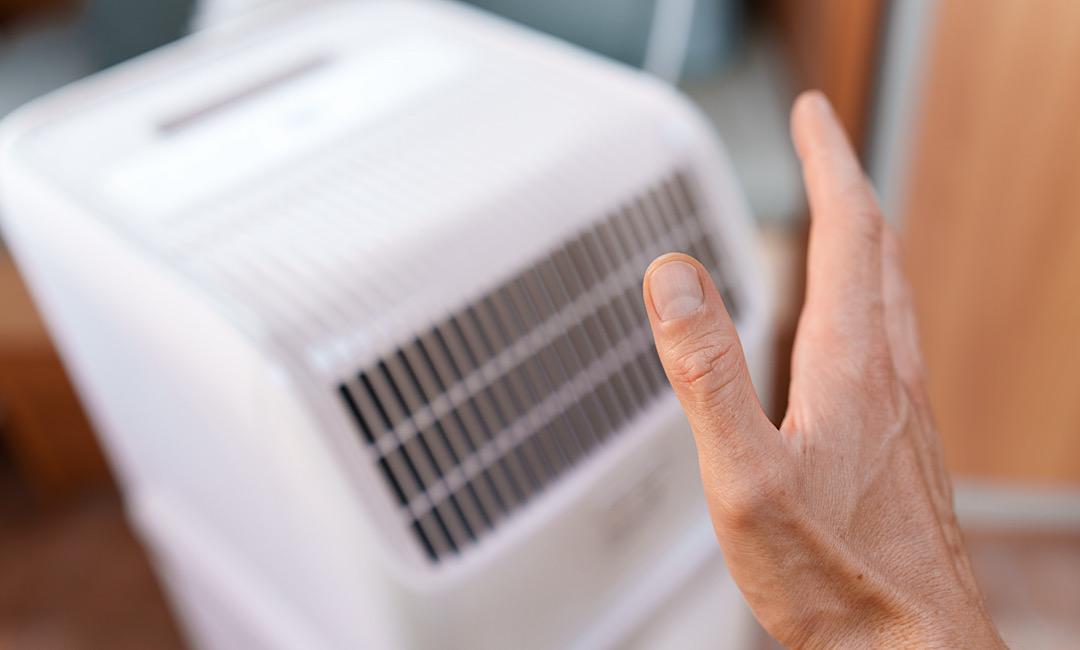
Why your air conditioner won’t stop—and what it often means for comfort, energy use, and system health If you’re searching “AC running constantly Colorado...