
February 5, 2026
Navigation ▼ Decoding Your HVAC Repair Bill Need a Clear and Honest Repair Estimate? Decoding Your HVAC Repair Bill When your furnace sputters on...

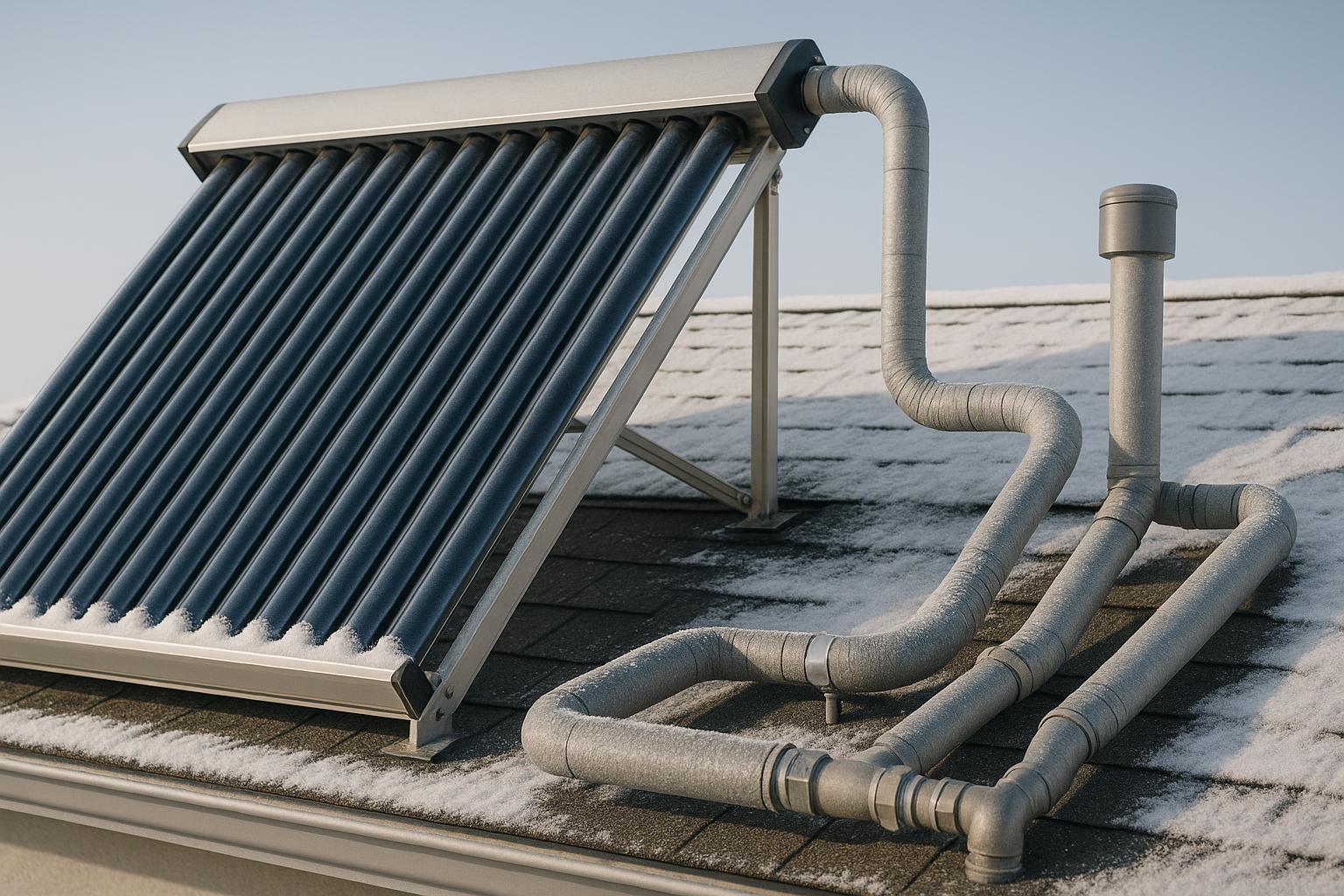
Living in Colorado Springs means enjoying an abundance of sunshine—a key reason so many homeowners invest in solar hot water systems. This technology is a fantastic way to reduce energy bills and shrink your carbon footprint. However, our beautiful Pikes Peak winters introduce unique challenges, from heavy snowfall to freezing temperatures, that can impact your system’s performance and longevity.
Proper preparation is not just a suggestion; it’s essential for protecting your investment. Proactive winter maintenance ensures your system operates efficiently and safely through the coldest months, preventing costly damage and guaranteeing a reliable supply of hot water when you need it most. Ensuring your equipment is ready for the season is a critical step for any responsible homeowner in the region.
Neglecting your solar hot water system before winter can lead to significant problems. In a climate like ours, where temperatures can plummet unexpectedly, the risk of frozen and burst pipes is very real. This can cause severe damage not only to the solar collectors and plumbing but also potentially to your home’s roof and interior. The heat transfer fluid in these systems contains antifreeze, but its concentration and condition must be correct to provide adequate protection.
Beyond preventing catastrophic failures, regular upkeep ensures your system runs at peak efficiency. Dirty or snow-covered collectors, failing pumps, or degraded pipe insulation can dramatically reduce the amount of heat your system captures and delivers. This forces your backup water heater to work harder, driving up the very utility bills you sought to lower. A professional check-up helps catch these inefficiencies before they impact your savings. For comprehensive solar services in Colorado Springs, working with experts who understand the local climate is key.
Before the snow flies, take a careful look at your solar collectors from the ground. Check for any visible cracks in the glass, damaged seals, or signs of moisture inside the panel. Also, look for any debris like leaves or branches that may have accumulated. After a snowfall, it’s vital to ensure the collectors are clear to absorb sunlight. Never use hard or sharp tools to remove snow or ice, as this can easily scratch and damage the surface. A soft-bristled, long-handled brush is the safest option.
The heart of your system’s freeze protection is the heat transfer fluid, typically a mix of glycol and water. Over time, this fluid can degrade or become diluted, reducing its ability to prevent freezing. A technician should test the fluid’s pH and antifreeze concentration to ensure it can handle Colorado’s coldest nights. This is not a typical DIY task and requires specialized tools. Incorrect fluid levels can lead to irreversible damage to collectors and piping. This is a core part of professional water heater maintenance for solar systems.
The pipes that carry the transfer fluid between your collectors and water tank must be properly insulated to prevent freezing and minimize heat loss. Inspect all accessible pipe insulation for cracks, tears, or compression. Pay close attention to joints and fittings where gaps are most likely to occur. UV rays and weather can degrade insulation over time, so replacing any damaged sections is a smart, preventative measure.
Modern solar hot water systems use a controller to manage operations, including freeze-protection functions that may circulate warm water through the collectors when temperatures drop too low. Ensure your controller has power and the settings are correctly configured for winter operation. Sensors provide the controller with critical temperature data, so they must be securely attached and functioning correctly.
While some tasks are suitable for homeowners, many critical maintenance checks require professional expertise and tools to ensure system safety and performance.
| DIY Tasks | Professional Service |
|---|---|
| Visually inspecting collectors from the ground. | Testing heat transfer fluid (glycol) concentration and pH. |
| Gently clearing light snow off panels. | Checking and adjusting system pressure. |
| Checking for obvious leaks or damaged insulation. | Inspecting pumps, valves, and electrical components. |
| Monitoring your system’s output and energy bills. | Diagnosing and servicing controller and sensor issues. |
For peace of mind and the assurance of a thorough inspection, scheduling an annual tune-up for all your home comfort systems, including your heating system and solar components, is the recommended approach.
Don’t wait for the first freeze to think about your solar hot water system. The team at Absolute Comfort has served the Colorado Springs community since 1988, and we have the local expertise to ensure your system is ready for winter. Schedule a professional inspection today for total peace of mind.
We recommend a professional inspection and tune-up annually, ideally in the fall before winter arrives. This timing allows a technician to identify and address any potential vulnerabilities before they are exposed to harsh weather.
No, the collectors require direct exposure to sunlight to function. A light dusting of snow might melt off quickly on a sunny day, but heavy accumulation will prevent the system from producing hot water and must be cleared safely.
When the heat transfer fluid freezes, it expands. This expansion can crack the collector, burst pipes, and damage fittings, leading to leaks and expensive, complex repairs. This is the primary risk that proper winter maintenance aims to prevent.
Absolutely. Colorado Springs has over 240 sunny days per year, making it an excellent location for solar energy. The key is proper installation and consistent, professional maintenance to handle the winter conditions. A well-maintained system provides significant energy savings year-round.
Solar Collector: The component, typically installed on a roof, that absorbs solar radiation and converts it into heat.
Heat Transfer Fluid: A liquid solution, usually a mix of water and glycol, that circulates through the solar collectors to absorb heat and carry it to the water storage tank.
Glycol: An organic compound used as an antifreeze in heat transfer fluid to protect the system from freezing in cold climates.
System Controller: The electronic device that serves as the “brain” of the solar hot water system. It uses sensors to monitor temperatures and automatically turns pumps on and off to optimize heat collection and provide freeze protection.
Navigation ▼ Decoding Your HVAC Repair Bill Need a Clear and Honest Repair Estimate? Decoding Your HVAC Repair Bill When your furnace sputters on...
Prepare Your System for a Colorado Springs Winter and Ensure Lasting Performance As winter settles over Colorado Springs, the demand for reliable hot water...

Deciphering Your Home Heating Options When the temperatures drop in the Pikes Peak region, a reliable heating system isn’t just a luxury—it’s essential. For...